
Nail Disorders
01 The Human Nail
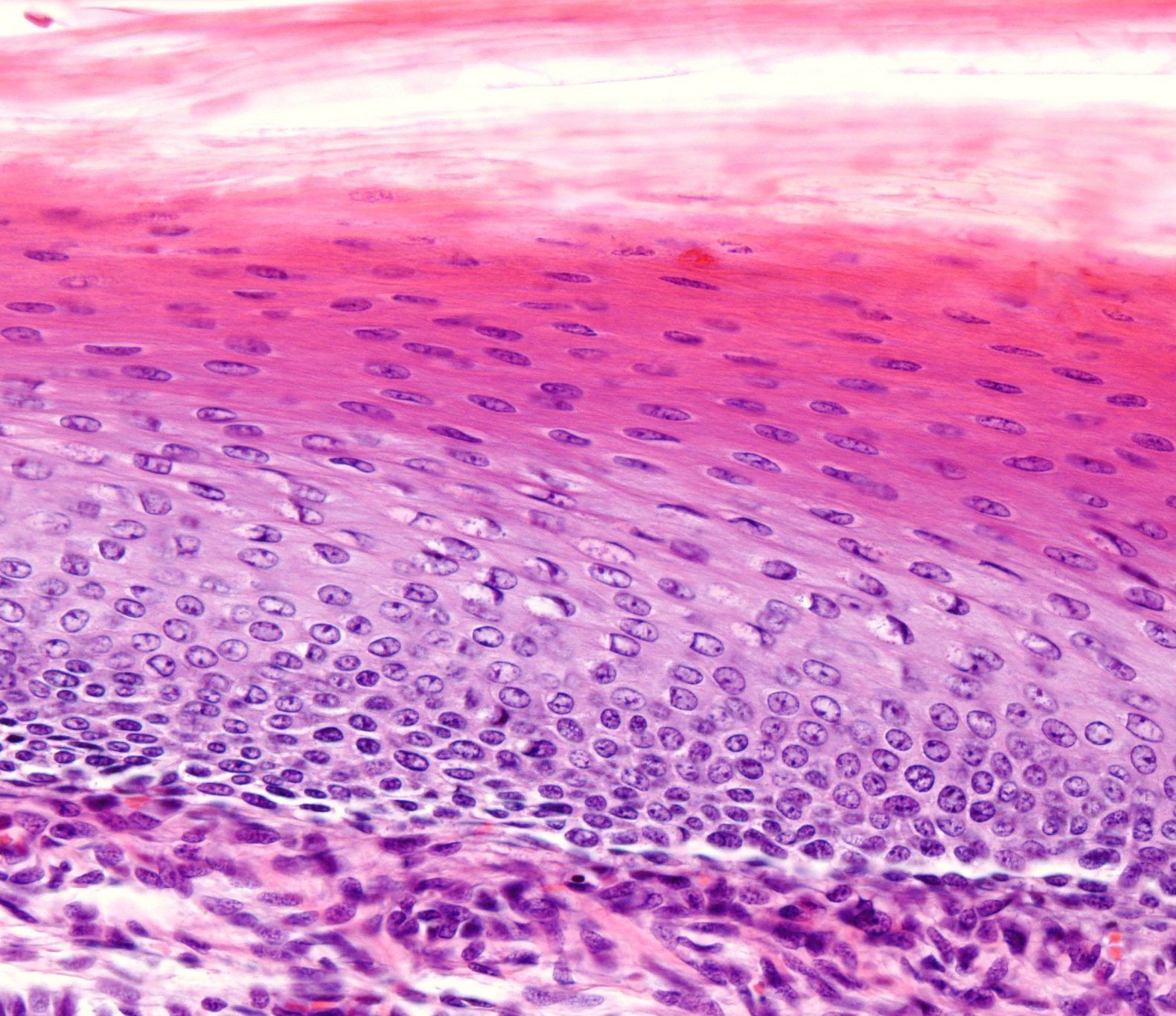
Your nails are surprisingly complex. The nail plate is arranged in three distinct layers, each with a slightly different composition and, consequently, different properties that resist penetration. The plate is arranged in three distinct layers of the nail plate, which have slightly different compositions and, thus, different properties that resist penetration.
The keratin in nails assembles into filaments that make up the nail matrix and have strong disulfide bonds. The compact structure, varied layers, strong bonds, keratin content, hydration, and electrochemical properties of the nail plate result in a complex barrier with significant challenges to transungual drug delivery. Designing a drug to deliver ingredients through this barrier has been unsuccessful until recently.
The Tolcylen delivery vehicle is patented for its ability to penetrate through the entire nail plate. It is developed specifically for the unique properties of the keratin matrix of your nails.
02 Nail Appearance
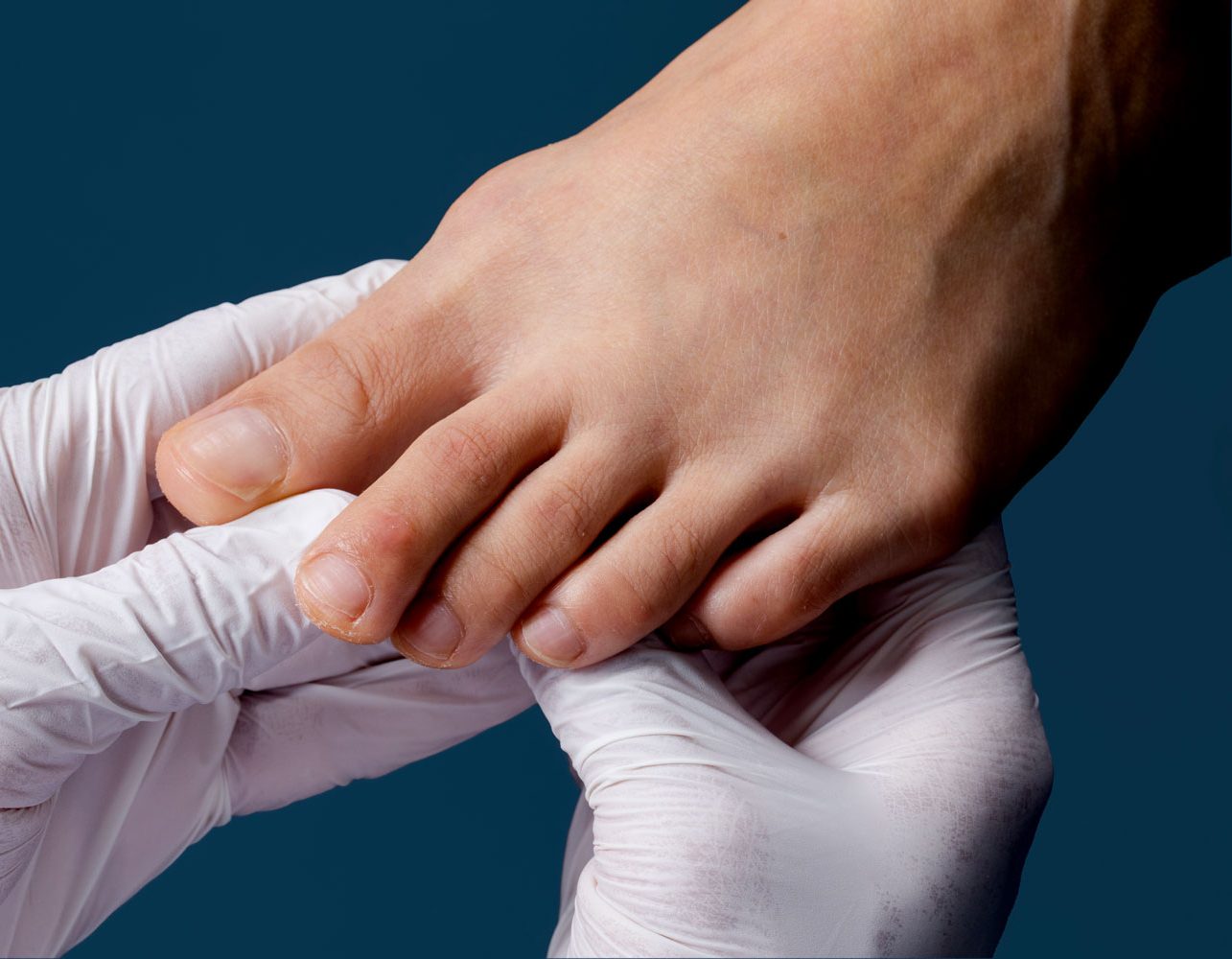
Nails appear transparent because of keratin’s properties. As the nail grows, it loses nuclei and fills with keratin, creating a clear look. Fungal infections disrupt keratin structures, causing nails to become thick, brittle, porous, and discolored.
Restoring normal nails requires hydration, keratin renewal, and proper penetration. Water in nails exists as either bound or free; bound water is attached by hydrogen bonds, while free water forms clusters.
Damage and fungal infection lead to broken keratin filaments and debris. Ingredients that break down and realign keratin fibers help address these problems. Tolcylen uses keratolytics and hydrating agents to quickly improve nail appearance by breaking down keratin and binding moisture within the nail
03 Extracellular Material & Biofilms
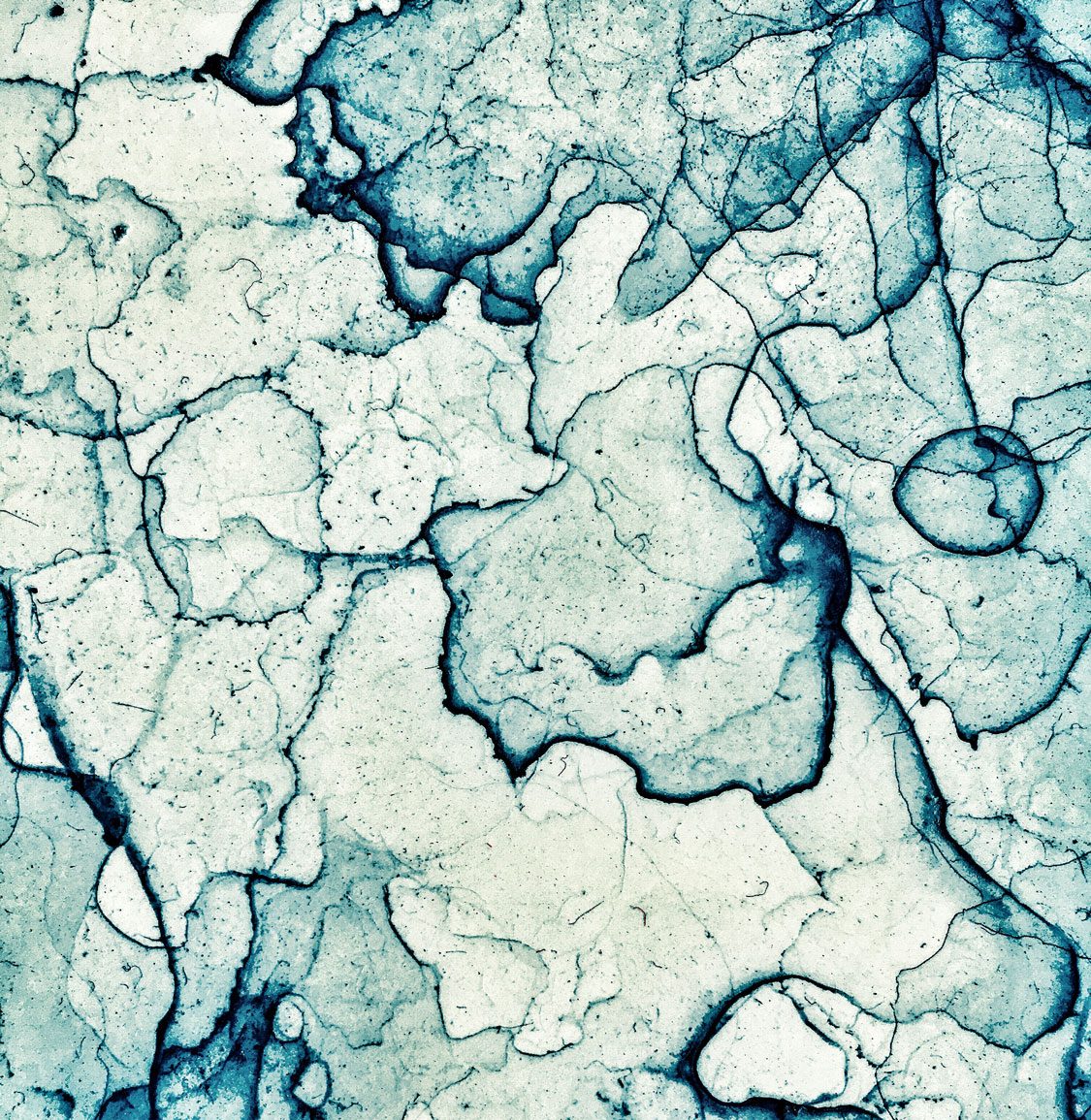
Historically and still typically, discussion around treatment for onychomycosis was in the context of the fungi being planktonic – cells that are “free” to drift or live in the medium they are in. In reality, the mold and dimorphic type fungi form vast networks of hyphae and an extremely complex mix of organic materials that encase the cells and protect them. This extracellular material is referred to as a biofilm. Biofilms are formed by bacteria, fungi, and other microbes and are well-studied and understood in certain contexts.
The reason this is a critical factor in the treatment of onychomycosis is that biofilms are structured differently, interact with drugs differently, have different permeability characteristics, and are significantly more resistant to certain compounds than their planktonic counterparts – typically, antifungal compounds will not interact with fungus in a biofilm as they do with planktonic cells.
Tolcylen was developed with ingredients to help penetrate not only the nail but also any potential fungal biofilms associated with dermatophytes and other common fungal species.
04 Delivery Vehicle
All of the above factors are irrelevant, however, if they cannot penetrate through the entirety of the nail plate to the source of the infection. Overall, the interaction between nails and topical treatments governs their effectiveness. There are polar molecules that are attracted to water (hydrophilic) and non-polar molecules that are repelled by water (hydrophobic). The layers of the nail typically function as a hydrophilic membrane, although there is a minimal amount of hydrophobic material. Generally, a solution with a similar ratio of hydrophilic to hydrophobic material to the nail will penetrate well.
This concept and other nail surface and solution characteristics indicate how well a product will penetrate. Marlinz Pharma has utilized innovative analysis to determine how a product interacts with and penetrates the nail plate by understanding surface tension, wettability, polar/dispersive forces ratio, homogeneity, and molecular weight.
Tolcylen is the first and only treatment formulated in a proven, patented delivery vehicle that can penetrate the nail with all of the ingredients to treat fungal infections and rapidly renew the appearance of the nail plate.

05 Fungal Species
Dermatophytes are mold-type fungi that cause most Onychomycosis cases in the US, with Trichophyton Rubrum, or T. Rubrum, being the most common dermatophyte species. The dermatophyte microbes will most commonly enter the nail through the hyponychium and reside in the nail bed, growing and extending into the layers of the nail plate. However, there are other possible modes of infection.
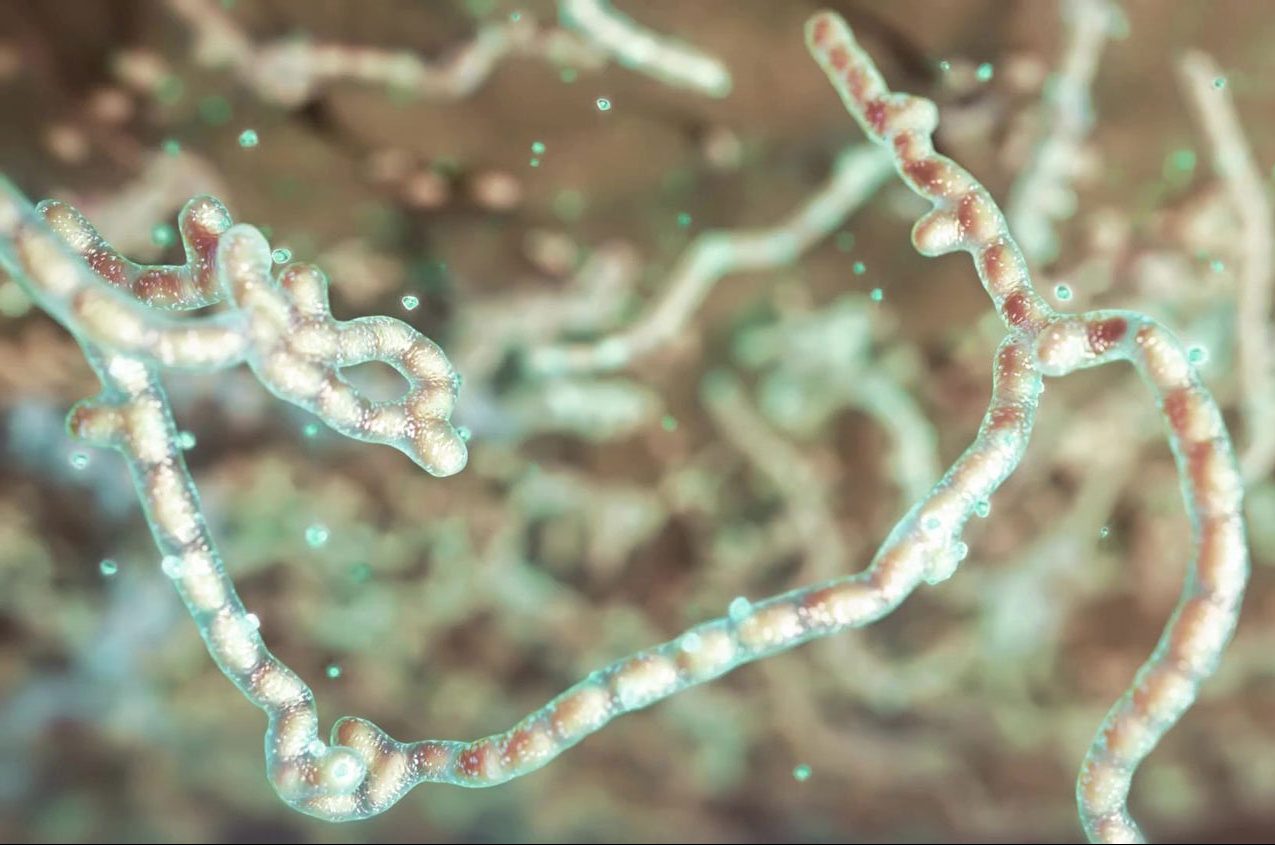
Dermatophytes release enzymes that break down keratin, weakening, discoloring, and thickening the nail plate. The hyphae can form new fungal cells, spreading the infection throughout the nail. There are also yeast and non-dermatophyte molds that can be found to be the causative agents. Fungal infections commonly involve more than one species.
Through clinical studies, Tolcylen has been shown to penetrate and treat all species of fungal infection at the source of the infection, the nail bed.
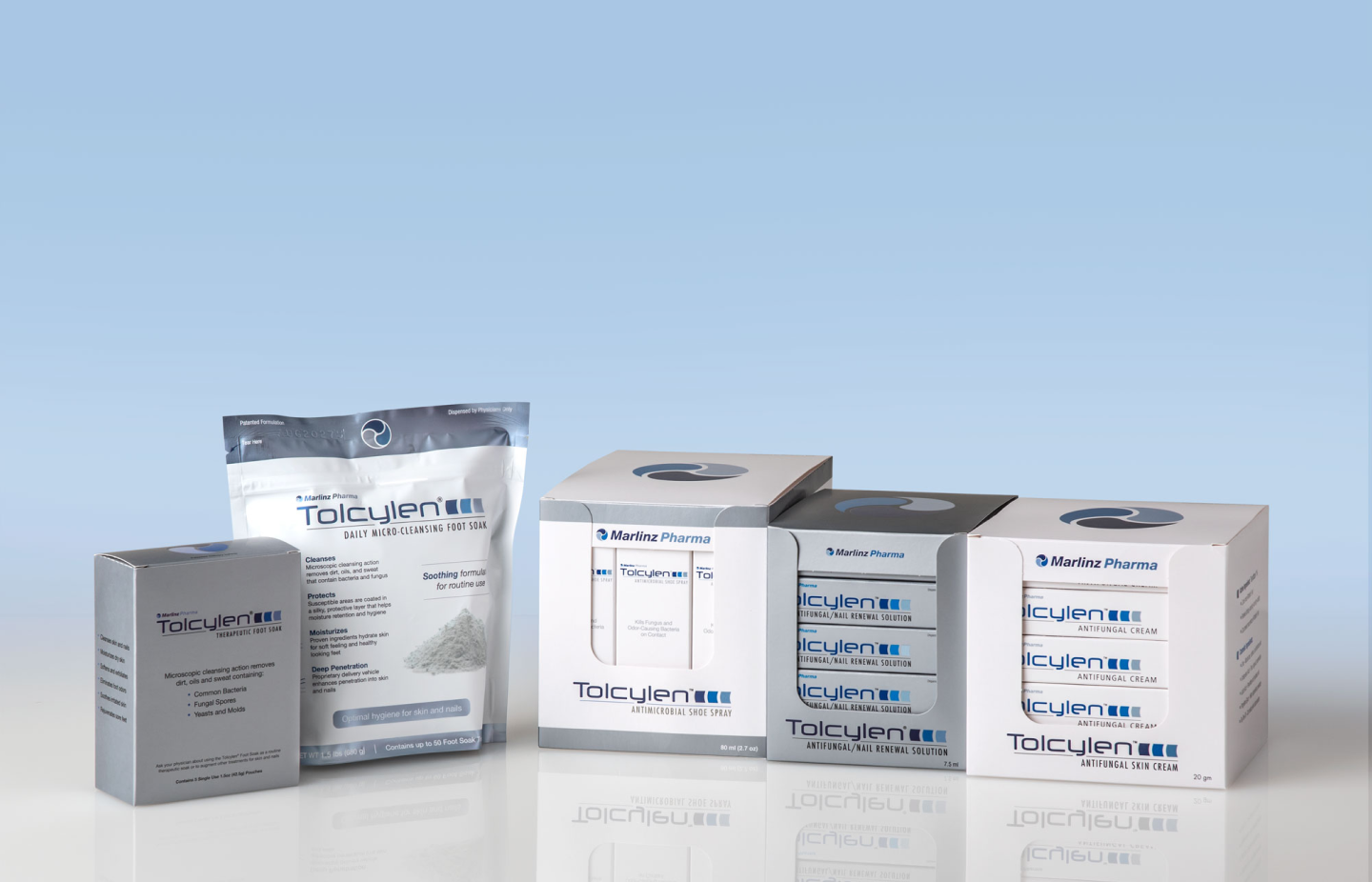
Better Formulations for Better Results.
Marlinz Pharma was founded with the mission of setting a new standard in nail and skin care through innovative, science backed products. The Tolcylen line started with the patented Tolcylen Antifungal/Nail Renewal Solution that brings cosmetic and antifungal ingredients deep into the nail plate.
We now offer a comprehensive line of scientifically and clinically proven products that deliver superior outcomes for common skin and nail conditions.